Accessories in the fashion industry hold a significant role in enhancing personal style and fashion expression. From the dawn of civilization, individuals have adorned themselves with various accessories to signify status, wealth, and individuality. In contemporary society, the importance of accessories transcends mere decoration; they are pivotal elements in the realm of fashion that offer versatility, personalization, and transformation.
Enhancing and Completing the Look
Accessories like jewelry, belts, scarves, and hats play a vital role in completing any look, as they can quickly refine a simple outfit and help the wearer appear more unified and polished. Take a plain black dress as an example: when it is matched with a bold necklace or a colorful scarf, the entire ensemble shifts from simple to striking, demonstrating just how powerful the right accessories can be.
Adaptability and Multifaceted Capability
Accessories also play a key role by adding flexibility and range to any fashion selection, enabling people to craft numerous outfits from a limited selection of garments. Simply switching earrings, handbags, or footwear can transform an easygoing, casual look into one that feels refined and polished. This built‑in versatility keeps fashion practical and sustainable, encouraging individuals to explore their personal style without continually investing in new apparel.
Self-Expression and Personality
Fashion is a form of self-expression, and accessories play a pivotal role in reflecting personal style and personality. Unique pieces like handcrafted jewelry or vintage watches can convey a story, a cultural connection, or an element of the wearer’s identity. Designers often incorporate bold accessories into their collections to allow consumers to inject personality into their look effortlessly. For instance, an oversized hat or graphic bag can serve as a conversation starter, representing personal taste and creativity.
Cultural and Historical Relevance
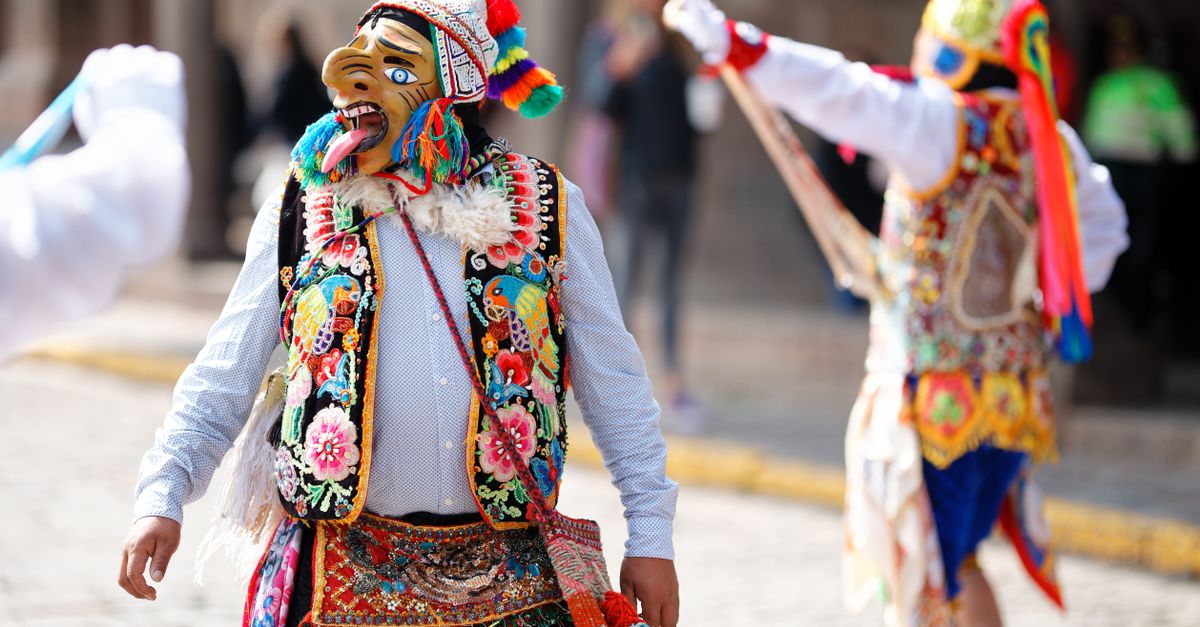
Accessories often carry cultural and historical significance that adds depth to fashion narratives. Traditional accessories, such as the Japanese obi or the Indian bindi, provide rich cultural references that contribute to fashion’s diversity. Furthermore, historical pieces like the Victorian brooch or Art Deco jewelry offer insights into different eras’ fashion sensibilities, enabling modern stylists and enthusiasts to draw inspiration and pay homage to the past.
Examples Showcasing the Influence of Accessories
Consider fashion icons such as Audrey Hepburn and her association with the little black dress complemented by a pearl necklace and sunglasses in “Breakfast at Tiffany’s.” The accessories not only enhanced her character’s classic elegance but also became emblematic of timeless style. Another example is Lady Gaga, whose bold and often eccentric accessory choices redefine traditional norms, demonstrating the impact accessories can have on crafting a distinct public persona.
Economic Impact of Accessories
The accessory sector stands as a profitable branch of the fashion industry, playing a substantial role in the global economy. A Statista report indicates that the worldwide fashion accessory market has been valued in the hundreds of billions, highlighting its significant financial influence. This expansion is fueled by enduring classics as well as fresh, innovative accessory trends that consistently attract consumer interest.
Accessories serve as far more than simple add-ons; they stand as essential elements within the broader fashion landscape. They provide avenues for transformation, cultural depth, economic significance, and avenues for individual expression. From the adaptability of scarves to the bold flair of statement jewelry and the everyday usefulness of well-designed bags, accessories help define the story of fashion and personal identity. Considering their influence encourages a richer understanding of the craftsmanship and impact that accessories bring to the dynamic realm of fashion.