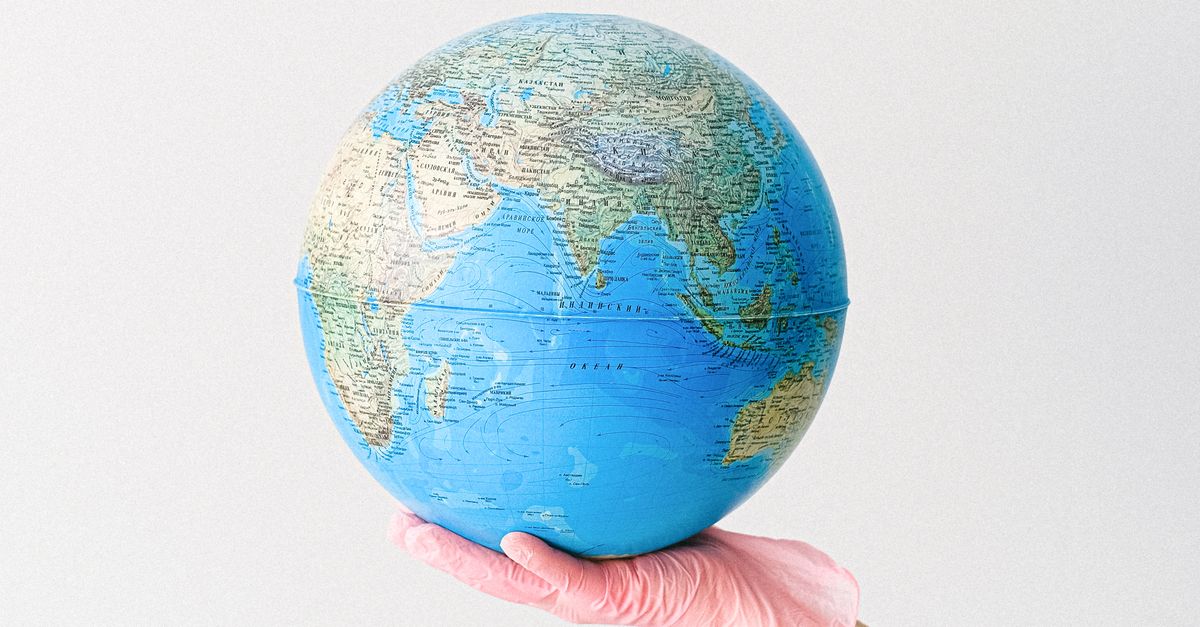
Global tensions have escalated over the past few years, as major global powers engage in geopolitical struggles, economic instability, shifting alliances, and technological rivalries that are transforming the international landscape. The United States, China, Russia, and the European Union are extending their influence through diverse tactics, ranging from financial restrictions to military actions. Challenges and opportunities are presented by issues such as the conflict in Ukraine, the trade competition between the US and China, the climate change crisis, and evolving energy markets for Latin America. Regional governments, businesses, and civil societies are adjusting by modifying foreign policies, exploring economic diversification, and reconsidering security approaches.
Reactions of Diplomacy in Latin America
Historically, Latin America has upheld a tradition of independent diplomacy, reflected in the “principle of non-intervention” included in the policies of various nations. In reality, this has resulted in diverse approaches to global conflicts.
Active Multilateralism: Many countries in Latin America leverage multilateral platforms, such as the United Nations, the Organization of American States (OAS), and the Community of Latin American and Caribbean States (CELAC), to promote collective responses. For instance, during the Ukraine conflict, positions varied: while Brazil and Mexico favored a more neutral stance and called for ceasefire and diplomacy in UN General Assembly resolutions, others like Costa Rica and Colombia strongly condemned Russia’s actions, emphasizing adherence to international law. These divergent stances reflect the region’s diversity but also demonstrate a preference for peaceful resolution and dialogue.
Pragmatismo Estratégico: Al enfrentar presiones de los bloques occidentales y orientales, los líderes políticos de América Latina a menudo optan por enfoques pragmáticos. Brasil, bajo la presidencia de Luiz Inácio Lula da Silva, ejemplifica esto con una política exterior de doble vía: fortaleciendo sus lazos tradicionales con Estados Unidos y Europa mientras revitaliza la asociación BRICS y busca nuevos acuerdos comerciales con China e India. México, a pesar de ser un centro de fabricación fuertemente vinculado al bloque económico USMCA, también busca una mayor implicación con Asia y Europa para evitar una dependencia excesiva de un solo socio.
Economic Adjustment and Broadening
Global tensions have revealed vulnerabilities tied to reliance on specific markets and export commodities. Latin America, a region defined by its agricultural, energy, and mineral wealth, has responded with strategies of economic diversification and selective alignment.
Supply Chain Adaptation: The global supply chain disruptions triggered by the COVID-19 pandemic and exacerbated by geopolitical rivalries have led many Latin American nations to position themselves as alternative suppliers for critical minerals, agricultural products, and manufacturing services. For example, Chile and Argentina, among the leading producers of lithium (essential for electric vehicle batteries), are pursuing new investment deals with China, Canada, and the European Union. They are also negotiating terms that favor technology transfers and local value-added, aiming to move beyond simple commodity exports.
Trade Bloc Dynamics: Economic blocs like Mercosur and the Pacific Alliance have sought to strengthen intra-regional ties and negotiate new trade agreements. Mercosur has accelerated talks with the European Union, while members of the Pacific Alliance (Mexico, Chile, Peru, Colombia) are pursuing agreements with countries in the Asia-Pacific, such as Japan, South Korea, and Singapore. These moves reflect a desire to buffer the effects of US-China economic competition and to gain negotiating leverage in an uncertain global market.
Security and Technological Considerations
La inseguridad global resultante del crimen organizado, los conflictos tecnológicos y las amenazas cibernéticas exige estrategias adaptativas e integradas por parte de los gobiernos latinoamericanos.
Regional Security Networks: The spread of international criminal groups—many connected to worldwide illegal networks—has resulted in increased collaborative security efforts. Information-sharing projects, like the Lima Group (initially concentrating on the crisis in Venezuela), have grown to tackle drug smuggling, weapons trade, and money laundering. Nations such as Colombia and Brazil have strengthened alliances with American and European organizations, while certain countries participate in emerging cybersecurity collaborations with Asian nations.
Technology Partnerships and Rivalries: The competition between Western and Chinese technology giants (notably in 5G infrastructure and surveillance technology) presents both opportunities and challenges for Latin America. Brazil’s cautious stance on selecting its 5G providers reflected concerns about data privacy, security, and long-term technological dependence. Simultaneously, cities in Ecuador and Bolivia have implemented Chinese-built surveillance systems, balancing cost with concerns over digital sovereignty. These cases underscore the delicate calculus involved in navigating global tech rivalries.
Societal and Environmental Implications
Latin American communities encounter direct impacts of global stress, especially in relation to migration trends, food and energy stability, and environmental issues.
Movements of People: Geopolitical upheavals, such as the economic downfall in Venezuela and political changes in Cuba and Nicaragua, have combined with worldwide patterns, leading to increased migration movements throughout the continent. Nations such as Colombia and Peru have addressed this by combining humanitarian assistance with more rigorous border security measures, simultaneously urging for unified international actions.
Climate Diplomacy: Latin America possesses immense biodiversity and is pivotal in global climate negotiations, particularly through stewardship of the Amazon rainforest. The global focus on energy transition has raised the stakes—Brazil, Colombia, and Chile are pushing for green investment and tighter deforestation controls, mindful of pressure from both the US and China for access to strategic resources. The region’s ability to balance economic needs with environmental responsibilities will shape its future influence and security.
Key Case Studies: Brazil, Mexico, and Chile
Exploring specific countries demonstrates the variety within Latin America’s responses to global challenges:
Brazil: Recognized as a leading economy in the region, Brazil constantly balances its foreign policy between independence and involvement. It remains focused on its partnership with China (its largest trading associate), sustaining long-standing connections with the US, and enhancing its role in BRICS conferences. Under President Lula, Brazil has been a strong advocate for South-South collaboration, transitions to renewable energy, and initiatives for mediation in Ukraine.
Mexico: Due to its location close to the United States and involvement in supply chains across North America, Mexico has capitalized on nearshoring opportunities, drawing in overseas investments influenced by trade conflicts between the US and China. Although it publicly supports certain US viewpoints, Mexico also maintains its policy of non-interference and expands its connections with the European Union and the Asia-Pacific region.
Chile: With a tradition of open markets and democratic governance, Chile has deepened partnerships with diverse regions—particularly through bilateral trade agreements and renewable energy investments. As a leader in lithium production, Chile is uniquely positioned to leverage global demand for clean technology, using targeted policy reforms to extract value and maintain autonomy.
The Pathway Forward: Resilience Amid Volatility
Latin America’s responses to global tensions reflect a complex mosaic of diplomatic calculi, economic realignment, and pragmatic engagement. The region leverages its resource endowments, demographic dynamism, and geographic position to seek greater autonomy and prosperity. By strengthening regional integration, diversifying international partnerships, and prioritizing sustainable development, Latin America is forging context-specific strategies to navigate an unsettled global order. The diverse pathways pursued by its nations underscore both the opportunities and constraints inherent in the current international moment, highlighting the region’s capacity for adaptation, dialogue, and innovation in an era of persistent uncertainty.