Our website uses cookies to enhance and personalize your experience and to display advertisements (if any). Our website may also include third party cookies such as Google Adsense, Google Analytics, Youtube. By using the website, you consent to the use of cookies. We have updated our Privacy Policy. Please click the button to view our Privacy Policy.

Investments and Business

Ciudad de Panamá, en Panamá: qué miran los inversores en puertos, bodegas y redes de última milla

What investors look for in Panama City’s ports and logistics

Panama City serves as Panama’s core center for commerce and logistics, standing among the Western Hemisphere’s essential hubs for transshipment and distribution. Its strategic edge stems from geography, offering direct access to the Panama Canal, a rail link that crosses the isthmus, major container terminals on both the Atlantic and Pacific coasts, and Tocumen International Airport for cargo operations. Investors assess the city’s port infrastructure, storage facilities, and last-mile networks by considering overall throughput, operational performance, regulatory conditions, and the efficiency of final delivery to end customers.Key qualities investors seek in port operationsInvestors assessing port assets or port-facing logistics operations…
Read More
Aides RealEstate Cap Cana

Why More Buyers Are Investing in Homes for Sale in Cap Cana, Dominican Republic This Year

The Dominican Republic is steadily reinforcing its reputation as one of the Caribbean’s premier real estate hubs, and this year, Cap Cana has taken center stage as a prime location for high-end property investment. Whether it’s oceanfront villas or sleek condos with sweeping views of crystal-clear waters, international buyers are increasingly seeking homes for sale in Cap Cana Dominican Republic as they pursue an elevated lifestyle, reliable security, and promising long-term investment prospects within one of the region’s most rapidly expanding communities.Industry analysts indicate that the appetite for luxury real estate in Cap Cana has surged notably, driven by steady…
Read More
How do firms hedge currency exposure without overpaying for protection?

How do managed futures contribute to modern diversification?

Managed futures refer to investment strategies that buy and sell futures contracts across worldwide markets such as equities, fixed income, currencies, and commodities. These approaches are usually overseen by professional managers who rely on systematic, rules-driven methodologies, commonly known as trend-following or momentum-oriented models. Unlike traditional long-only approaches, managed futures can assume both long and short positions, giving them the potential to benefit in markets that are either climbing or declining.The defining characteristic of managed futures is their ability to respond dynamically to price trends rather than relying on economic forecasts or company fundamentals. This flexibility makes them structurally different…
Read More
How are cloud cost optimizations affecting software margins and valuations?

Understanding cloud cost optimization’s effect on software margins and valuations

Cloud cost optimization describes the deliberate process of cutting and managing expenses tied to cloud infrastructure, including compute, storage, networking, and managed services. As software companies grow, particularly those offering software-as-a-service, cloud spending frequently emerges as one of the largest elements within the cost of goods sold. In recent years, mounting cloud expenses, economic pressures, and investor emphasis on profitability have elevated cloud optimization from a purely technical topic to a priority discussed at the board level.Optimization techniques often involve aligning workloads to the right size, securing reserved capacity commitments, enhancing software efficiency, implementing FinOps methodologies, and sometimes shifting workloads…
Read More
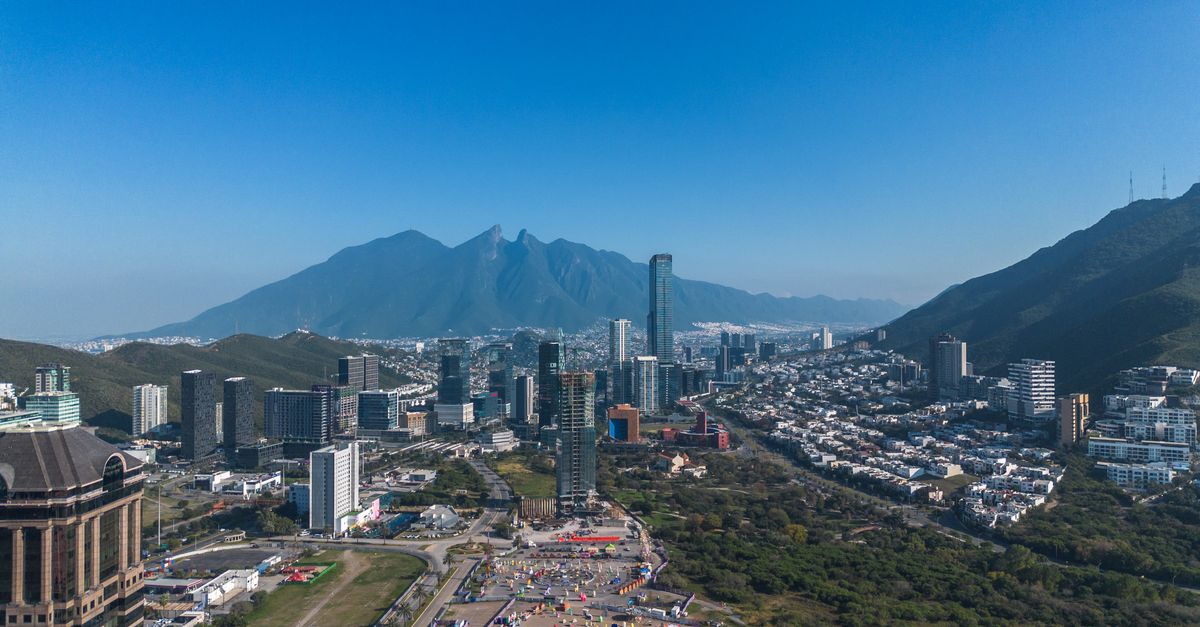
Monterrey, in Mexico: Why nearshoring decisions hinge on suppliers, talent, and infrastructure

How Monterrey, Mexico’s nearshoring success relies on suppliers, talent, infrastructure

Monterrey, Mexico, stands as a major manufacturing and logistics hub positioned where North American supply routes meet Mexico’s industrial core, and as firms consider nearshoring—relocating production closer to end markets such as the United States and Canada—their choices typically revolve around three interconnected pillars: the strength of the local supplier network, the depth of the talent base, and the reliability of both physical and intangible infrastructure, each of which influences costs, market responsiveness, operational resilience, and long‑term competitiveness, while the Monterrey metropolitan area, with a population of about 5 million and ranking among Mexico’s three leading economic engines, illustrates how…
Read More
Barcelona, en España: cómo escalan startups internacionalmente sin perder enfoque de producto

The fundability of startups with less predictable exit paths

During periods when acquisitions decelerate and public markets fluctuate, the usual startup storyline of fast expansion leading to an obvious exit becomes far less dependable. Investors adjust what they look for, and founders must shift in response. A fundable startup today focuses less on forecasting an imminent liquidity event and more on showing resilience, efficient use of capital, and the ability to build lasting value despite unclear exit pathways.Capital Efficiency as a Fundamental IndicatorWhen exits are less predictable, investors prioritize how effectively a startup converts capital into progress. This shift reflects a broader market reality: venture capital funds may need…
Read More
Santo Domingo, in the Dominican Republic: How family businesses prepare for professional governance

Santo Domingo, in the Dominican Republic: How family businesses prepare for professional governance

Santo Domingo is the political and commercial heart of the Dominican Republic. Many of its small and medium enterprises and several of the country’s largest groups began as family ventures. As markets mature, competition intensifies, and capital requirements increase, family owners in Santo Domingo are moving from informal, family-led decision making toward professional governance. This article outlines how they prepare for that transition: the structures they adopt, the practical steps they take, typical timelines, and lessons from local experience.The importance of expert governance in Santo DomingoStrong governance enables family enterprises in Santo Domingo to:Attract capital: Banks and investors usually require…
Read More
Bayside modern homes 13

Investing in Panama: homes with green spaces

New priorities centered on quality of life have reshaped Panama’s residential market in recent years, bringing notable shifts. Today, homes and communities featuring green spaces along with generous open areas are especially prized, with demand rising as interest grows in settings that foster peace of mind, comfort, and a closer bond with nature. This trend reflects both lifestyle preferences and considerations tied to investment potential and long-term property value.Green spaces now stand out as a major distinction in contemporary residential developments, including Bayside. Gardens, on-site parks, walking paths, and leisure areas elevate day-to-day living for residents while also boosting the…
Read More
What is the break-even point and how do I calculate it?

Firms’ Guide to Savvy Currency Hedging

Firms with cross-border revenues, costs, assets, or liabilities face currency risk that can erode margins and distort cash flows. The most common mistake is equating “more hedging” with “better protection.” Overpaying typically happens when firms buy insurance-like products without aligning them to actual exposures, time horizons, and risk tolerance. Effective hedging is not about eliminating all risk; it is about stabilizing outcomes at an acceptable cost.Currency exposure usually falls into three categories: transaction exposure from contractual cash flows, translation exposure from consolidating foreign subsidiaries, and economic exposure from long-term competitiveness. Each requires a different approach and budget discipline.Start with Exposure…
Read More
What trends are reshaping retail: omnichannel, marketplaces, or direct-to-consumer?

Modern Retail: Omnichannel, Marketplaces, or Direct-to-Consumer?

Retail is being reshaped by three powerful and interconnected trends: omnichannel experiences, the expansion of marketplaces, and the rise of direct-to-consumer models. Each trend responds to changing consumer expectations around convenience, value, trust, and personalization. Together, they are redefining how brands sell, how customers buy, and how value is created across the retail ecosystem.Omnichannel: The Expectation of Seamless CommerceOmnichannel retail blends physical stores, websites, mobile applications, social channels, and customer support into one cohesive experience, ensuring shoppers encounter seamless continuity at every touchpoint rather than perceiving them as separate channels.Among the primary forces propelling omnichannel adoption are:The prevalent adoption of…
Read More